 Biours


When developing a new skincare product, choosing the right mask material can have a significant impact on product performance, user experience, and brand positioning. Among the most popular options, hydrogel masks and traditional sheet masks are widely used by skincare brands around the world.
Although both products deliver skincare ingredients to the face, their materials, texture, adhesion, moisture retention, and market positioning are different. Therefore, understanding the differences between hydrogel and sheet masks can help brands make better decisions when developing OEM or private label skincare products.
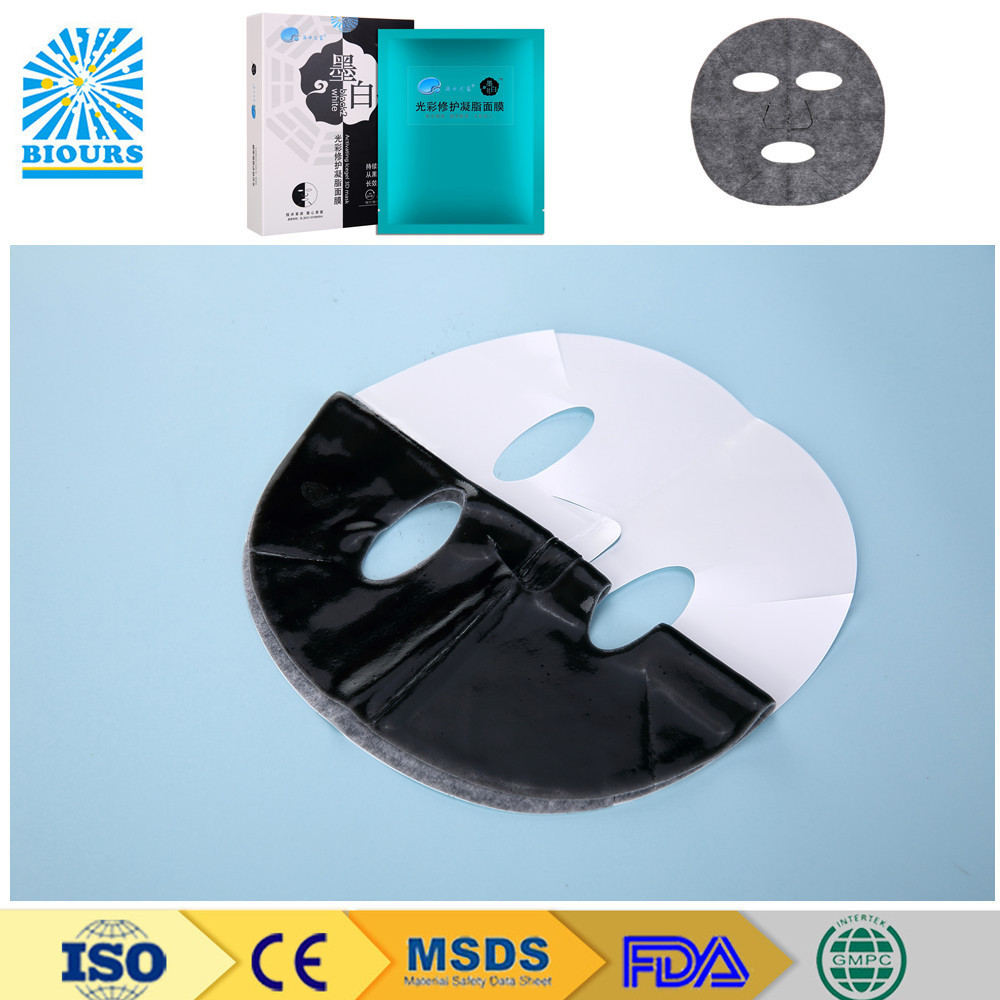
What Is a Hydrogel Mask?
A hydrogel mask is a facial mask made from a water-rich gel matrix. The gel structure can hold a high amount of essence while maintaining close contact with the skin during application.
Because the material is soft and flexible, hydrogel masks can conform closely to facial contours. This creates a comfortable second-skin feeling while helping maintain moisture around the skin surface.
Furthermore, hydrogel technology provides brands with considerable flexibility in product development. Formulas can be customized with ingredients such as hyaluronic acid, peptides, collagen, niacinamide, botanical extracts, and other cosmetic actives.
For brands looking to develop premium skincare products, working with an experienced hydrogel mask manufacturer can provide additional options for material, formulation, shape, packaging, and private label
customization.
What Is a Sheet Mask?
A traditional sheet mask normally uses a fabric or cellulose-based sheet soaked in a cosmetic essence. Depending on the material, sheet masks can provide different levels of softness, absorption, and skin adhesion.
Sheet masks have become popular because they are relatively simple to manufacture and can support a wide range of formulations and packaging formats.
For mass-market skincare brands, sheet masks can offer a cost-effective solution for launching products at different price points. In addition, the mature supply chain makes sheet masks widely available for private label and OEM production.
However, the performance and user experience can vary significantly depending on the quality of the sheet material and the amount of essence used.
Hydrogel Mask vs Sheet Mask: Key Differences
The biggest difference between these two mask types comes from their material structure.
| Feature | Hydrogel Mask | Sheet Mask |
|---|---|---|
| Material | Water-rich gel matrix | Fabric, cellulose, or similar sheet |
| Texture | Soft, flexible, gel-like | Fabric-like |
| Skin adhesion | High | Depends on material |
| Moisture retention | High | Moderate to high |
| Cooling sensation | Strong | Moderate |
| Product positioning | Premium and advanced | Mass-market to premium |
| Customization | High | High |
| Typical user experience | Cooling, close-fitting, luxurious | Lightweight and familiar |
As a result, hydrogel masks are often positioned as premium skincare products, while sheet masks cover a broader range of price segments.
1. Material and Skin Contact
Hydrogel masks provide close contact because the gel material is flexible and conforms to facial contours. This can create a smooth and comfortable application experience.
By comparison, traditional sheet masks rely on the physical structure of the fabric. Some lower-quality sheets may not fit the face evenly, particularly around the nose, chin, and other curved areas.
For premium skincare brands, close skin contact can become an important product selling point.
2. Moisture and Essence Retention
Another important difference is the way each material manages moisture.
Hydrogel materials can hold substantial amounts of water and cosmetic essence within their gel structure. Consequently, the mask can maintain a moist surface during use.
Sheet masks also deliver essence effectively, but their performance depends heavily on the type of fabric, essence volume, and formulation.
Therefore, brands targeting intensive hydration or premium skincare experiences may find hydrogel technology particularly attractive.
3. User Experience and Product Positioning
Consumer experience plays an increasingly important role in skincare purchasing decisions.
Hydrogel masks usually provide a soft, cooling, and luxurious feeling. This makes them suitable for premium facial care, spa treatments, beauty salons, and high-end skincare collections.
Traditional sheet masks offer a familiar experience and can be produced in a wide variety of formats. Consequently, they remain a strong option for brands targeting everyday skincare and high-volume retail markets.
The right choice ultimately depends on the brand’s positioning, target consumers, and desired retail price.
4. Formulation and Customization
Both technologies can support customized skincare formulas. However, hydrogel products provide particularly strong opportunities for brands seeking a differentiated product concept.
For example, brands can develop hydrogel masks focusing on:
- Intensive hydration
- Brightening care
- Soothing and calming
- Anti-aging skincare
- Firming and smoothing
- Cooling skincare
- Premium spa treatments
Meanwhile, sheet masks can also accommodate numerous cosmetic ingredients and remain a practical choice for large-volume product lines.
For brands interested in developing customized hydrogel products, our OEM & ODM Services provide support from product development and formulation customization to packaging and production.
Which Mask Is Better for Skincare Brands?
There is no universal answer because the best mask material depends on the brand’s business strategy.
A sheet mask may be the better option when the primary goals are cost efficiency, high-volume production, and broad market distribution. Its established manufacturing process also makes it suitable for many entry-level and mid-range skincare products.
On the other hand, a hydrogel mask may be more suitable for brands seeking premium positioning, differentiated textures, advanced skincare concepts, and stronger sensory experiences.
For example, a luxury skincare brand may choose hydrogel technology to reinforce its premium image. Similarly, a beauty spa brand can use hydrogel masks to create a more sophisticated treatment experience.
Why Are Hydrogel Masks Attractive for Private Label Brands?
The private label skincare market continues to become more competitive. As more brands enter the market, product differentiation has become increasingly important.
Hydrogel masks offer several opportunities for differentiation:
- Premium material appearance
- Distinctive gel texture
- Customized formulations
- Multiple functional ingredients
- Flexible packaging options
- Strong visual appeal for e-commerce
In addition, hydrogel masks can be developed in different shapes, colors, thicknesses, and packaging formats. This flexibility allows brands to create products that better match their target market.
You can also explore Biours’ Private Label Solutions for customized skincare product development.
How Should Brands Choose Between Hydrogel and Sheet Masks?
Before selecting a mask technology, brands should consider several factors.
First, define the target market. Premium skincare customers may respond better to advanced hydrogel textures, while price-sensitive markets may favor traditional sheet masks.
Second, consider the product concept. Hydration, cooling, anti-aging, brightening, and spa treatments can all influence the choice of material.
Third, evaluate production requirements. MOQ, packaging, formulation, production capacity, and target retail price should all be considered during development.
Finally, choose an experienced manufacturing partner. A reliable supplier can help brands evaluate material options, develop formulations, customize packaging, and maintain consistent production quality.
For companies developing a premium hydrogel skincare line, Biours provides professional hydrogel mask manufacturing and OEM support for global brands, distributors, and private label businesses.
Conclusion
Both hydrogel masks and traditional sheet masks have their own advantages. Sheet masks remain an economical and versatile choice for high-volume skincare products, while hydrogel masks offer a premium texture, close skin contact, strong sensory appeal, and extensive customization opportunities.
Therefore, the better choice depends on your target market, product positioning, formulation strategy, and commercial goals.
For skincare brands looking to differentiate their products in an increasingly competitive market, hydrogel technology provides an attractive platform for developing premium and customized facial mask products.
To learn more about hydrogel technology and customized product development, visit the Hydrogel Mask Manufacturer page or contact Biours for an OEM and private label project.