 Biours


When developing a premium facial mask, choosing the right material can have a major impact on product performance, customer experience, pricing, and brand positioning. Two popular options in today’s skincare market are hydrogel masks and bio-cellulose masks.
Both materials offer excellent skin contact and can carry cosmetic essences. However, their material structures, texture, manufacturing characteristics, and commercialization opportunities are different.
For skincare brands, understanding these differences is essential before starting an OEM or private label project.
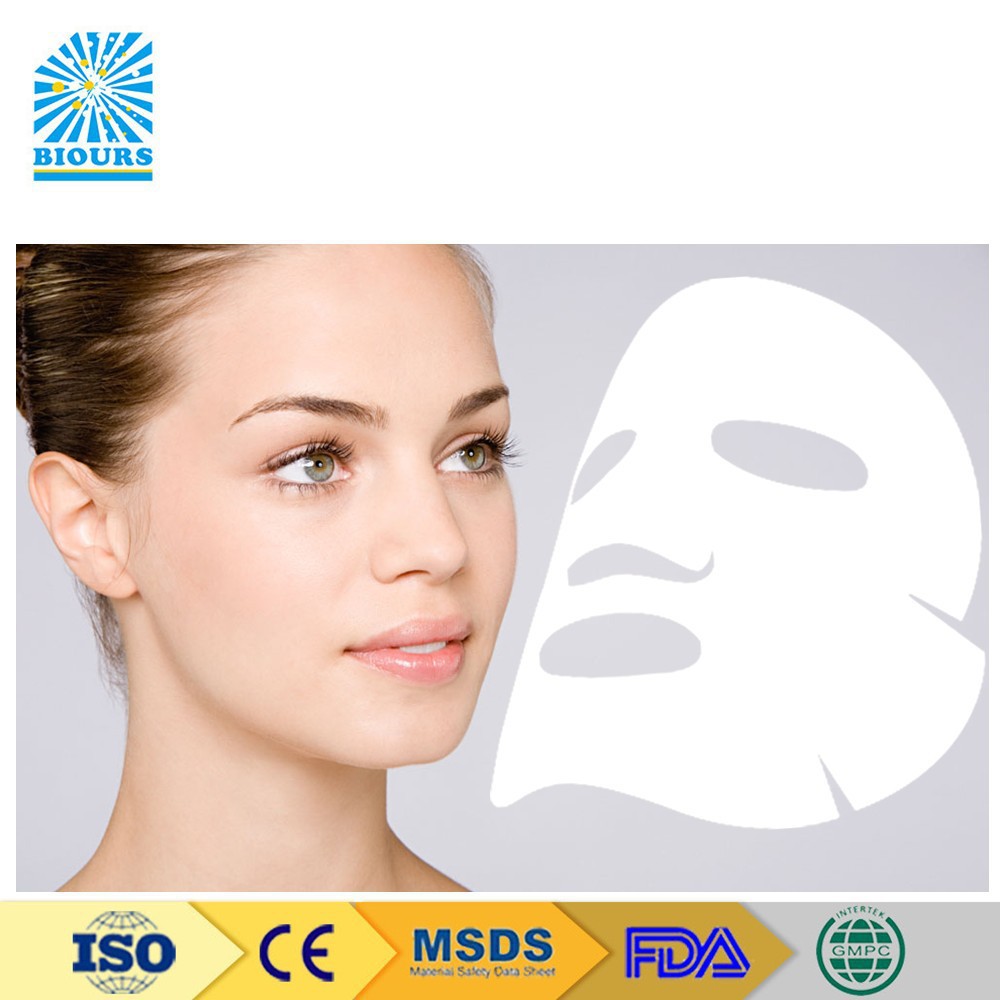
What Is a Hydrogel Mask?
A hydrogel mask is made from a water-rich gel matrix that can hold and gradually release cosmetic ingredients during use. Its soft and flexible structure allows the mask to conform closely to facial contours.
One of the major advantages of hydrogel technology is its ability to combine skincare performance with a premium sensory experience. The cool, smooth gel texture can create a refreshing feeling while maintaining moisture on the skin.
Depending on the product concept, hydrogel masks can be developed for hydration, brightening, soothing, firming, anti-aging, cooling, and other skincare applications.
For brands seeking customized products, an experienced hydrogel mask manufacturer can also provide options for formulation, thickness, shape, color, essence loading, and packaging.
What Is a Bio-Cellulose Mask?
Bio-cellulose is a fine fiber material produced through biological fermentation processes. The resulting fibers can form an extremely thin and flexible sheet that closely follows the contours of the face.
Because of its fine fiber structure, bio-cellulose is often associated with premium facial mask products. The material can hold cosmetic essence and maintain close contact with the skin during application.
Bio-cellulose masks are particularly attractive for brands that want to emphasize natural materials, advanced textile technology, and a lightweight second-skin experience.
However, material characteristics and production processes can vary between suppliers. Therefore, brands should evaluate the actual material quality, formulation compatibility, and manufacturing consistency before making a final decision.
Hydrogel vs Bio-Cellulose: Key Differences
Although both materials are positioned above conventional sheet masks in many premium skincare markets, they create different product experiences.
| Feature | Hydrogel Mask | Bio-Cellulose Mask |
|---|---|---|
| Material | Water-rich gel matrix | Fine bio-cellulose fibers |
| Texture | Soft, smooth and gel-like | Ultra-thin and fiber-based |
| Skin adhesion | Excellent | Excellent |
| Moisture retention | High | High |
| Cooling sensation | Strong | Moderate |
| Premium appearance | High | High |
| Shape customization | Flexible | Flexible |
| Formula customization | High | High |
| Sensory experience | Cool, moist and luxurious | Lightweight, close-fitting and silky |
| Typical positioning | Premium skincare & spa | Premium & advanced skincare |
Neither technology is universally better. The right choice depends on the product concept and target market.
1. Material Structure and Skin Contact
Hydrogel and bio-cellulose masks both provide excellent facial coverage, but they achieve this through different structures.
Hydrogel uses a three-dimensional gel network containing a high level of water. This gives the material its characteristic soft and flexible texture.
Bio-cellulose, on the other hand, uses an extremely fine fiber network. The thin sheet can conform closely to facial contours and provide a lightweight sensation.
For consumers who prefer a cooling and moisturizing gel experience, hydrogel can be an attractive choice. Those who prefer an ultra-thin second-skin feeling may find bio-cellulose more appealing.
2. Moisture Retention and Essence Delivery
Moisture management is another important consideration for facial masks.
The gel structure of hydrogel masks can retain a substantial amount of water and cosmetic essence. During use, the mask maintains a moist interface between the material and the skin.
Bio-cellulose also has a strong ability to retain cosmetic essence because of its fine fiber structure. Its thin construction allows the material to maintain close contact with the skin.
For both technologies, however, actual performance depends on the formulation, ingredient concentration, material quality, storage conditions, and manufacturing process.
Therefore, brands should evaluate the complete product system rather than selecting a material based only on its name.
3. User Experience and Brand Positioning
Consumer perception can strongly influence product positioning.
Hydrogel masks typically deliver a distinctive cooling and gel-like sensation. Their glossy, transparent, or semi-transparent appearance can also create strong visual appeal for e-commerce and social media marketing.
Bio-cellulose masks usually emphasize their ultra-thin structure and close skin contact. This makes them suitable for premium skincare brands that want to highlight advanced materials and sophisticated facial care.
Consequently, the choice between hydrogel and bio-cellulose should reflect the overall brand story.
A youthful beauty brand may prefer the visual and sensory appeal of hydrogel. A science-focused or natural skincare brand may choose bio-cellulose to support its material positioning.
4. Formulation and Active Ingredients
Both materials can be combined with a wide range of cosmetic ingredients.
Hydrogel masks can be developed with ingredients such as:
- Hyaluronic acid
- Niacinamide
- Peptides
- Collagen
- Aloe vera
- Botanical extracts
- Vitamin-based ingredients
Bio-cellulose masks can also support many cosmetic formulations, particularly products designed around hydration, soothing, brightening, and premium skincare concepts.
However, compatibility between the formula and the mask material is important. A professional manufacturer should evaluate viscosity, essence loading, stability, preservation, packaging, and shelf-life requirements during development.
5. Cost and Commercial Considerations
Cost is an important factor for every skincare brand.
Hydrogel and bio-cellulose products can both occupy premium market segments, but the final cost depends on material specifications, formulation, packaging, production volume, and customization requirements.
For large-scale brands, production efficiency and supply stability may be major considerations. For emerging brands, differentiation and premium pricing may have greater importance.
Therefore, brands should calculate the complete product cost rather than comparing material prices alone.
Packaging, filling, individual sachets, secondary packaging, testing, logistics, and minimum order quantities can all influence the final commercial model.
Which One Should Your Brand Choose?
The answer depends on your business objectives.
Choose Hydrogel If You Want:
- A distinctive gel texture
- Strong cooling and refreshing sensations
- Premium visual appeal
- High customization flexibility
- Innovative skincare concepts
- Spa and professional beauty applications
- Strong social media presentation
Choose Bio-Cellulose If You Want:
- An ultra-thin second-skin experience
- Advanced fiber material positioning
- Premium facial care
- A lightweight mask structure
- A sophisticated skincare concept
- A material-focused product story
For many brands, both technologies are worth testing during the product development stage.
Hydrogel or Bio-Cellulose for Private Label?
Private label brands need more than a good material. They also need a manufacturing partner that can support formulation development, packaging, quality control, and scalable production.
A complete OEM project should consider:
Product concept → Material selection → Formula development → Prototype testing → Packaging → Production → Quality control
This process allows brands to evaluate the product based on actual performance rather than relying only on technical descriptions.
Biours provides OEM & ODM Services for skincare brands seeking customized hydrogel products, including formulation development, product customization, packaging support, and manufacturing.
How to Select the Right Manufacturer
Choosing the right manufacturing partner is especially important for premium facial masks.
Brands should evaluate:
- Hydrogel or bio-cellulose material expertise
- R&D and formulation capabilities
- Production environment
- Quality management systems
- Customization options
- Packaging capabilities
- Production capacity
- Export experience
A qualified supplier should be able to explain why a particular material fits the formula and product positioning rather than simply recommending the material with the highest margin.
For brands developing customized hydrogel skincare products, Biours combines hydrogel technology experience with OEM and private label manufacturing capabilities.
Final Thoughts
Hydrogel and bio-cellulose masks are both strong choices for premium skincare brands, but they create different product experiences.
Hydrogel stands out for its soft gel texture, cooling sensation, visual appeal, and customization potential. Bio-cellulose offers an ultra-thin, close-fitting structure with a sophisticated material story.
Therefore, the best choice depends on your target customers, product concept, price positioning, formulation requirements, and manufacturing strategy.
If your brand wants a distinctive facial mask with flexible formulation and OEM possibilities, hydrogel technology is worth considering as part of your product development strategy.
Explore our Private Label Skincare Solutions or contact Biours to discuss your next customized facial mask project.