 Biours


Introduction
Cooling and warming pain relief patches are commonly used in personal care and wellness product categories. Both types are designed for external application and may provide different sensory experiences depending on formulation and intended use.
For distributors, brand owners, and importers, understanding the differences between cooling and warming patches can help support product selection and market positioning.
This article provides a neutral comparison of these two product types and discusses their potential commercial applications.
What Are Cooling Pain Relief Patches?
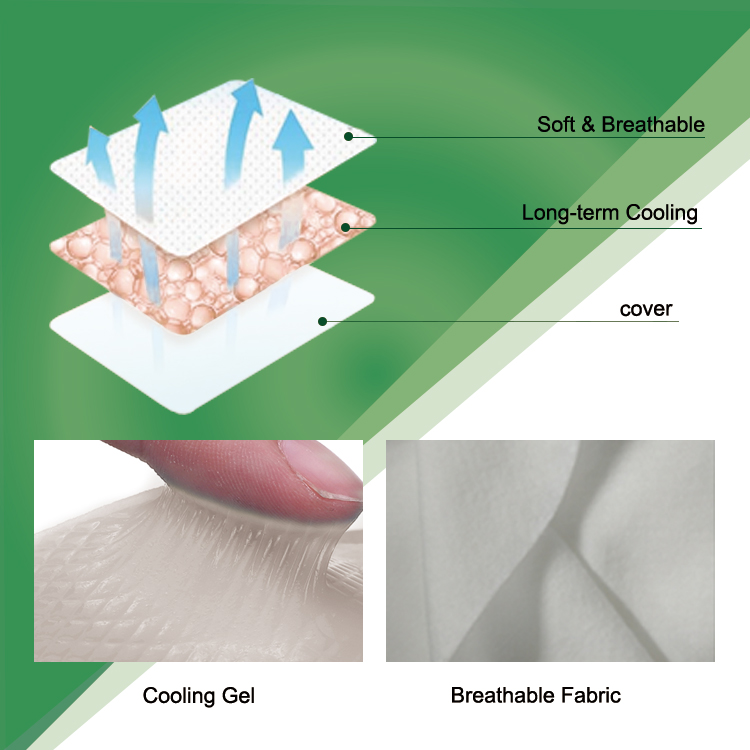
Cooling patches are typically designed to provide a cooling sensation when applied to the skin. This effect is often achieved through hydrogel materials and ingredients such as menthol or plant-based extracts.
Typical Characteristics:
-
- Cooling sensation upon application
- Lightweight and breathable structure
- Commonly used in warm climates
- Often applied for daily comfort or post-activity relaxation
Cooling patches are frequently included in product lines focused on freshness and comfort.
What Are Warming Pain Relief Patches?
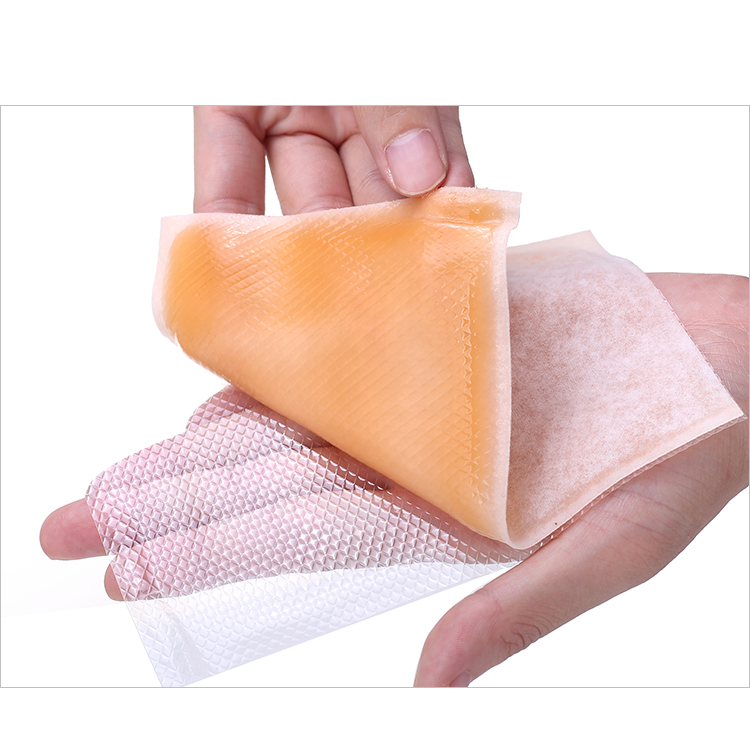
Warming patches are designed to provide a mild warming sensation after application. This is typically achieved through specific formulations that interact with the skin surface.
Typical Characteristics:
- Gradual warming sensation
- Longer duration of perceived comfort
- Commonly used in cooler climates or for muscle relaxation routines
- Often positioned in sports recovery or daily wellness categories
Warming patches are generally associated with comfort and relaxation support.
Key Differences Between Cooling and Warming Patches
Sensory Experience
- Cooling patches provide a refreshing and cooling feeling
- Warming patches provide a mild and gradual warming sensation
Application Scenarios
- Cooling: suitable for hot weather, post-activity use, or daily refresh
- Warming: suitable for cooler environments or relaxation routines
Product Positioning
- Cooling patches are often marketed for freshness and daily comfort
- Warming patches are positioned for relaxation and muscle comfort
Which One Sells Better?
There is no single answer, as market performance depends on multiple factors.
1. Regional Preferences
- Southeast Asia, the Middle East, and tropical regions often show higher demand for cooling products
- Europe and North America may have more balanced demand for both cooling and warming products
2. Seasonal Demand
- Cooling patches may see increased demand in warmer seasons
- Warming patches may see more stable demand in colder periods
3. Sales Channels
- E-commerce platforms often support both categories with different target audiences
- Pharmacy channels may carry a wider range of product types for consumer choice
Business Strategy: Offer Both Product Types
For many brands, offering both cooling and warming patches may help cover a broader range of consumer needs.
Advantages of Dual Product Strategy:
- Wider market coverage
- More flexible marketing positioning
- Ability to adapt to seasonal demand
- Opportunities for bundle or product line expansion
OEM Opportunities for Global Brands
Working with an OEM/ODM manufacturer allows brands to develop both cooling and warming patch product lines under a private label.
Typical OEM services include:
- Formula customization (cooling or warming)
- Patch size and shape design
- Packaging and branding development
- Multilingual labeling for international markets
Manufacturing Compliance
With a globally recognized compliance system, Biours ensures stable quality and smooth market access across regions.
✔ ISO 13485 – Medical Device Quality Management
✔ ISO 22716 – Cosmetic GMP System
✔ GMPC – Standardized Production Control
✔ FDA Registered Manufacturing Facility (USA)
✔ CE Compliance for European Markets
These certifications ensure your products meet international market requirements.
Conclusion
Cooling and warming pain relief patches serve different product positioning and market needs. Their commercial performance depends on regional demand, seasonal factors, and distribution strategy.
For brands and distributors, evaluating both product types and working with a qualified OEM partner can help support long-term product development and market expansion.
Contact
For OEM/ODM cooperation, product samples, or catalog requests:
📩 Email: [email protected]
This article is for informational purposes related to product categories and manufacturing and does not constitute medical advice.