 Biours


In recent years, extreme weather events have become increasingly frequent, with heatwaves emerging as a major global concern affecting both public health and daily life. According to CCTV News, northern Vietnam experienced an intense heatwave, with multiple regions recording historically high temperatures.
This heatwave was characterized not only by prolonged duration but also by the combination of high temperature and humidity, significantly increasing the perceived temperature. Local authorities advised residents to limit outdoor activities and take precautions against heat-related health risks such as dehydration and heatstroke. Similar patterns have been observed across Asia and Europe, highlighting the growing impact of climate change.
Health Challenges Under Extreme Heat
From a physiological perspective, high temperatures place significant stress on the human body’s thermoregulation system. When ambient temperatures approach or exceed normal body temperature (around 37°C / 98.6°F), the body’s ability to dissipate heat decreases, increasing the risk of discomfort and heat-related illness.
Groups more vulnerable to heat include:
- Infants and young children
- Elderly individuals
- Outdoor workers
- People exposed to high-temperature indoor environments
In tropical regions such as Vietnam, where temperatures can exceed 37–40°C (98–104°F), these risks become even more pronounced.
Growing Demand for Practical Cooling Solutions
Against the backdrop of persistent heatwaves, effective and accessible cooling solutions have become essential. In addition to air conditioning, hydration, and sun avoidance, portable external cooling products are gaining wider adoption.
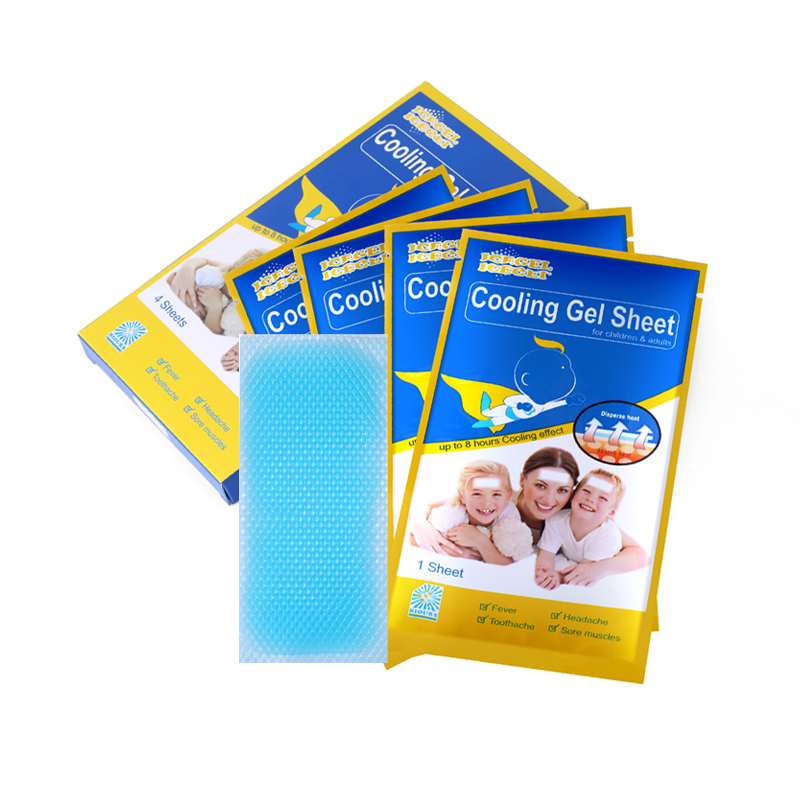
Among them, Cooling Gel Patches (fever patches) have become a commonly used option in both household and daily scenarios due to their convenience and clear physical cooling mechanism.
These patches typically work through water-based hydrogel evaporation, which helps dissipate heat from the skin surface, providing a localized cooling effect.
Common application scenarios include:
- Physical cooling support during fever
- Forehead cooling during hot weather
- Outdoor activities and travel
- Daily care for infants and children
It is important to note that cooling gel patches are non-medicated, physical cooling products and are not intended to replace medical treatment.
From Occasional Use to Daily Essentials
With rising global temperatures, cooling gel patches are gradually shifting from occasional-use products to everyday essentials in certain regions.
Their usage has expanded into:
- Summer commuting
- Outdoor sports and travel
- Office and school environments
- Healthcare and caregiving settings
In high-temperature markets such as Southeast Asia and the Middle East, these products are increasingly considered part of routine daily supplies.
Hydrogel Technology Enables Product Innovation
Advancements in hydrogel material technology have contributed to improved product performance and user experience. Modern cooling gel patches often feature:
- Higher water content for extended cooling duration
- Skin-friendly adhesive systems
- Breathable structures for improved comfort
- Optional cooling ingredients such as menthol
For OEM/ODM manufacturers, these developments provide greater flexibility in customization, including:
- Size and shape variations
- Formula adjustments
- Private label packaging
- Targeted product positioning for different markets
Beyond Products: The Importance of Heat Safety Awareness
While cooling products can support comfort in hot environments, effective heat protection relies primarily on proper awareness and preventive measures:
- Avoid prolonged exposure to high temperatures
- Maintain adequate hydration
- Adjust daily schedules during extreme heat
- Pay attention to vulnerable populations
Cooling gel patches can serve as a convenient supplementary solution, but they should be used alongside broader heat safety practices.
Conclusion
The recent heatwave in northern Vietnam underscores a broader global trend: extreme heat is becoming more frequent and impactful. As climate patterns continue to shift, demand for safe, practical, and user-friendly cooling solutions is expected to grow.
For businesses, this presents an opportunity to develop compliant and reliable products tailored to evolving market needs. For consumers, combining scientific heat protection strategies with appropriate supportive products remains the most effective approach.