 Biours


Introduction: Why Custom Manufacturing Defines Product Success
In the competitive global healthcare and wellness market, pain relief patches are no longer generic products. Buyers—from distributors to private label brands—are increasingly looking for customized solutions that align with their market positioning, regulatory requirements, and user expectations.
Custom pain relief patch manufacturing is a structured process that integrates formulation science, material engineering, and packaging design. Each stage directly impacts product performance, consumer experience, and long-term commercial success.
For businesses entering or expanding in this category, understanding the full manufacturing workflow—from formula to packaging—is essential.
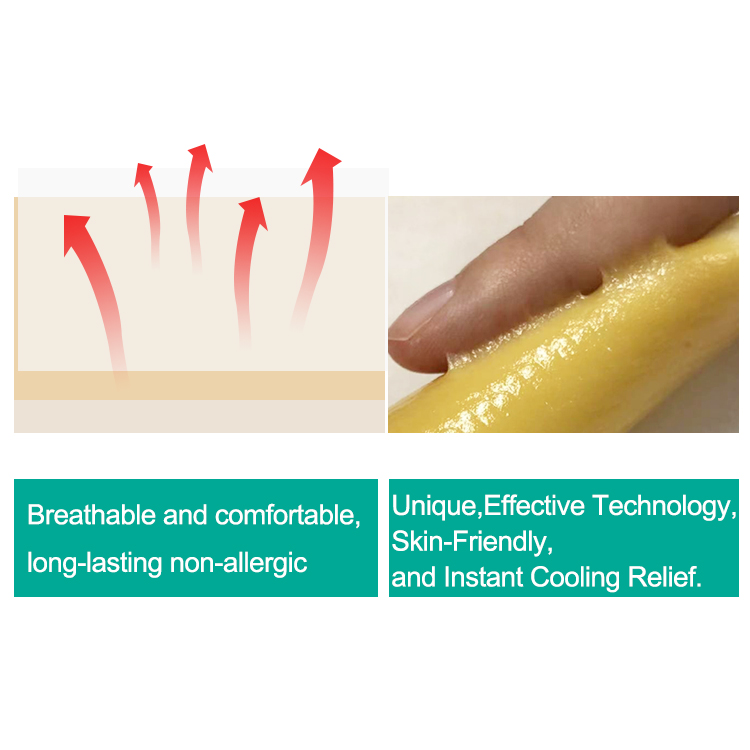
Step 1: Formulation Development – Building the Functional Core
The formulation stage is the foundation of any pain relief patch. It determines how the product performs, how long it lasts, and how it interacts with the skin.
Active Ingredient Strategy
Depending on product positioning, formulations may include:
- Cooling systems (menthol-based or similar agents)
- Warming systems (for thermal comfort applications)
- Botanical extracts (ginger oil, capsicum, herbal blends)
- Soothing components (plant-based oils, vitamin complexes)
The key is balancing efficacy, stability, and regulatory compliance across different markets.
Hydrogel vs. Traditional Systems
Modern pain relief patches increasingly use hydrogel-based systems due to their advantages:
- Controlled release of active ingredients
- Better moisture retention
- Improved skin comfort
Compared to traditional adhesive patches, hydrogel structures provide a more consistent and user-friendly experience, especially for extended wear.
Stability and Compatibility
A well-developed formulation must pass:
- Temperature stability testing
- Humidity resistance testing
- Ingredient compatibility validation
Without these, products may suffer from reduced performance or shortened shelf life.
Step 2: Structural Engineering – Turning Formula into a Functional Patch
After formulation, the next step is transforming the formula into a wearable product.
Multi-Layer Construction
A typical pain relief patch includes:
- Functional gel or active layer
- Adhesive interface
- Backing material (breathable or occlusive)
- Release liner
Each layer must be engineered to ensure uniform performance and durability.
Adhesion Performance Optimization
Adhesion is one of the most critical factors influencing customer satisfaction.
A high-quality patch should:
- Stay firmly in place during daily movement
- Adapt to body contours
- Be easy to remove without irritation
Achieving this balance requires precise control of adhesive formulation and coating processes.
Comfort and Breathability
Modern users expect patches that are:
- Lightweight and flexible
- Breathable and non-occlusive
- Comfortable for long wear
This is particularly important for products intended for overnight or extended use.
Step 3: Sampling and Performance Validation
Before scaling production, prototypes must be tested and refined.
Functional Testing
Samples are evaluated for:
- Cooling or warming intensity
- Duration of effect
- Adhesion strength
- Skin compatibility
User Experience Evaluation
In addition to technical performance, manufacturers assess:
- Texture and thickness
- Ease of application
- Wearability during movement
Iterative Optimization
Multiple rounds of refinement are often required to achieve a balanced product that meets both technical and commercial requirements.
Step 4: Packaging Development – Where Product Meets Market
Packaging plays a crucial role in both product protection and brand positioning.
Primary Packaging
Each patch is typically sealed individually to ensure:
- Hygiene and safety
- Stability of active ingredients
- Extended shelf life
Packaging materials must provide strong barrier properties while remaining easy to open.
Secondary Packaging
Outer packaging defines how the product is perceived in the market.
Options include:
- Retail-ready boxes
- Multi-pack configurations
- Travel-friendly formats
Design elements influence:
- Brand identity
- Shelf visibility
- Consumer trust
Compliance and Labeling
Packaging must meet regulatory requirements, including:
- Ingredient declarations
- Usage instructions
- Safety warnings
- Manufacturer information
This is especially important for international markets with strict compliance standards.
Step 5: Mass Production – Ensuring Consistency at Scale
Once the product is finalized, manufacturing moves to large-scale production.
Standardized Production Systems
Reliable manufacturers implement controlled processes to ensure:
- Uniform coating thickness
- Consistent ingredient distribution
- Stable adhesion performance
Quality Control Framework
Quality checks are conducted at multiple stages:
- Raw material inspection
- In-process monitoring
- Final product testing
This ensures batch-to-batch consistency.
Scalability and Supply Stability
For growing brands, production capacity must support:
- Increasing order volumes
- Stable lead times
- Reliable global supply
Step 6: Logistics and Global Distribution
After production, efficient logistics ensure the product reaches target markets in optimal condition.
Export Readiness
Manufacturers must provide:
- Product documentation
- Compliance certificates
- Shipping support
Storage and Transportation
Conditions must be controlled to maintain:
- Adhesive integrity
- Active ingredient stability
- Overall product performance
Common Challenges in Custom Manufacturing
Without proper expertise, several issues may arise:
- Inconsistent adhesion
- Short-lived effect duration
- Ingredient instability
- Packaging compatibility problems
These challenges highlight the importance of working with experienced manufacturers.
Why Experienced Manufacturers Make the Difference
Manufacturers with long-term experience in hydrogel and functional patches are better equipped to:
- Optimize complex formulations
- Maintain production consistency
- Support international compliance
- Scale efficiently
This directly impacts product reliability and brand reputation.
Conclusion: From Concept to Competitive Product
Custom pain relief patch manufacturing is a comprehensive process that integrates science, engineering, and market strategy.
For brands and distributors, success depends on choosing a partner capable of delivering:
- Advanced formulation development
- Reliable production systems
- Flexible customization
- Consistent global supply
By optimizing each stage—from formula to packaging—businesses can create products that stand out in competitive international markets.
Contact Us for OEM Solutions
If you are planning to develop a custom pain relief patch, we provide full OEM/ODM support from concept to production.
📧 Email: [email protected]
🌐 Website: https://en.biours.com
We are ready to support your product development with stable quality and scalable manufacturing solutions.