 Biours


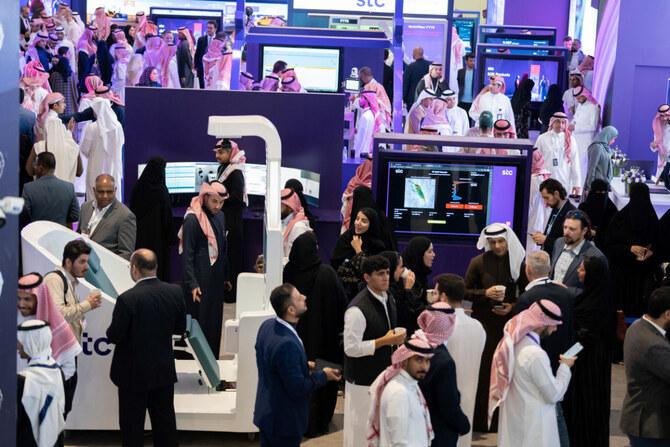
CPHI Middle East 2026 will take place from December 14–16 at the Riyadh Exhibition and Convention Centre in Malham, Saudi Arabia. The event connects pharmaceutical manufacturers, suppliers, healthcare businesses and industry professionals. Moreover, it offers international buyers opportunities to explore manufacturing partnerships, pharmaceutical technologies and regional market developments.
For healthcare importers and product developers, the exhibition provides access to different parts of the pharmaceutical supply chain. These include ingredients, finished products, packaging and contract services. In addition, companies exploring specialized hydrogel products can use the event to research manufacturing standards and potential distribution requirements.
CPHI Middle East 2026: Exhibition Information
| Event Details | Information |
|---|---|
| Exhibition | CPHI Middle East 2026 |
| Dates | December 14–16, 2026 |
| Venue | Riyadh Exhibition and Convention Centre, Malham |
| Location | Riyadh, Saudi Arabia |
| Event Network | CPHI, part of the Tahaluf event portfolio |
| Industry | Pharmaceutical Manufacturing, Ingredients, Packaging and Contract Services |
| Official Website | CPHI Middle East Official Website |
The organizer projects approximately 60,000 visitors and more than 1,000 exhibiting brands for 2026. However, these are promotional expectations rather than confirmed attendance results. Visitors should also verify opening hours before traveling.
1. Why CPHI Middle East 2026 Matters for Global Pharma Buyers
CPHI Middle East serves companies working across pharmaceutical manufacturing and supply chains. Its professional format encourages discussions between manufacturers, technology providers and purchasing teams.
Furthermore, Riyadh provides a meeting point for businesses interested in Saudi Arabia and neighboring markets. International suppliers can explore potential partnerships, while regional buyers can compare manufacturing capabilities.
However, pharmaceutical sourcing involves more than identifying a competitive quotation. Buyers must evaluate regulatory requirements, technical documentation and product quality. Therefore, structured supplier assessment remains essential.
The event also offers educational sessions and industry discussions. As a result, attendees can learn about manufacturing developments and changing business requirements.
2. Major Pharmaceutical Sectors at CPHI Middle East
The exhibition covers several important segments of pharmaceutical production. Each sector supports a different stage of product development or commercialization.
Active Pharmaceutical Ingredients and Excipients
API and excipient suppliers support pharmaceutical formulation and production. Buyers can investigate material specifications, supplier qualifications and relevant documentation.
In addition, sourcing teams should consider traceability and consistency. These factors can influence manufacturing quality and regulatory submissions.
Finished Dosage and Contract Services
Finished dosage businesses focus on developed pharmaceutical products. Meanwhile, contract service providers may support manufacturing, development or other specialized activities.
For international companies, these services can provide alternatives to establishing new production facilities. Nevertheless, buyers must verify the supplier’s authorized capabilities and quality systems.
Packaging, Drug Delivery and Manufacturing Equipment
Packaging and drug delivery technologies also feature at the exhibition. These sectors are relevant to product protection, usability and manufacturing efficiency.
Moreover, equipment suppliers can help manufacturers explore process improvements. However, each technology requires technical and commercial evaluation before adoption.
3. Pharmaceutical Sourcing Opportunities in Saudi Arabia
Saudi Arabia’s healthcare and pharmaceutical sectors attract interest from international suppliers. The market also creates opportunities for companies researching regional distribution and manufacturing partnerships.
However, market entry requirements vary by product type. Pharmaceutical products, medical devices and cosmetics may follow different regulatory pathways.
Consequently, companies should determine product classification before preparing an export strategy. They should also assess local representation, labeling and registration requirements where applicable.
| Buyer Type | Potential Opportunity | Key Consideration |
|---|---|---|
| Pharmaceutical Buyers | Identify ingredients and manufacturing partners | Supplier qualification and regulatory documentation |
| Healthcare Distributors | Explore suitable product portfolios | Market authorization and import requirements |
| Medical Product Brands | Research specialized product development | Intended use and product classification |
| Contract Manufacturing Buyers | Compare development and production capabilities | Quality systems, capacity and lead times |
| Private Label Businesses | Evaluate appropriate branded product concepts | Testing, packaging and compliance |
In addition, companies should evaluate long-term supply reliability. Consistent communication, realistic production planning and clear documentation can reduce commercial uncertainty.
4. Hydrogel Patches and Specialized Product Development
Hydrogel materials support several product formats, including cosmetic patches, cooling gel patches and certain specialized applications. However, each product requires a separate assessment of its intended purpose.
For example, a cosmetic hydrogel eye patch differs from a product intended for medical treatment. Similarly, a cooling patch does not automatically qualify as a regulated medical device.
Therefore, manufacturers must define product claims and classification before discussing commercialization. They should also evaluate formulation stability, material compatibility and relevant safety testing.
Potential Hydrogel Product Categories
| Product Concept | Development Considerations | Potential Business Channel |
|---|---|---|
| Cooling Hydrogel Patches | Cooling performance, materials and labeling | Suitable personal care and pharmacy channels |
| Cosmetic Hydrogel Patches | Skin compatibility, formulation and stability | Skincare brands and distributors |
| Specialized Functional Patches | Intended use, evidence and technical feasibility | Qualified healthcare product developers |
| Private Label Hydrogel Products | Packaging, specifications and quality control | Importers and branded product businesses |
Importantly, a manufacturer’s experience with one hydrogel format does not establish suitability for every application. Buyers should request product-specific evidence before selecting a supplier.
5. How to Evaluate a Hydrogel Patch Manufacturer
Businesses exploring specialized hydrogel products should carefully assess manufacturing partners. An experienced Hydrogel Patch Manufacturer should explain its relevant technical capabilities and quality procedures.
First, buyers should define the intended use and target market. Next, they should request information about formulation options, materials and testing.
Furthermore, manufacturers should clarify which products fall within their existing capabilities. Buyers should never assume that a quality certificate covers every product category.
Supplier Evaluation Checklist
- Product scope: Does the manufacturer support the proposed application?
- Quality management: Which manufacturing controls apply to the product?
- Technical documentation: What test reports and specifications are available?
- Regulatory classification: Which requirements apply in the destination market?
- Customization: What formulation, dimensions and packaging options are feasible?
- Commercial planning: What are the sampling requirements, MOQ and lead times?
These questions help buyers identify suitable partners. In addition, sample evaluation can reveal technical limitations before larger purchasing commitments.
6. OEM/ODM Manufacturing and Private Label Development
OEM and ODM cooperation can support businesses developing specialized hydrogel products. Under an OEM arrangement, a manufacturer generally follows agreed product specifications. In contrast, ODM services may include additional development support.
For example, a distributor may request customized cooling patches with specific packaging. Another brand may explore hydrogel skincare products for a separate retail channel.
However, every project requires technical review. Product claims, material selection and manufacturing feasibility can affect the development process.
International buyers can explore Biours’ OEM/ODM Manufacturing Services for suitable hydrogel applications. Early discussions can clarify product specifications, sampling and production requirements.
Additionally, Private Label Hydrogel Solutions can support businesses developing branded product ranges. Available options depend on technical feasibility and project requirements.
7. Preparing for CPHI Middle East 2026
International buyers should prepare clear sourcing objectives before attending. First, identify relevant pharmaceutical sectors and potential suppliers.
Next, review the exhibitor directory and arrange meetings where possible. A purchasing brief can make discussions more productive.
For manufacturing projects, the brief should describe product specifications, intended use and destination markets. In addition, buyers should include expected order quantities and documentation requirements.
Visitors should also research applicable Saudi regulatory procedures. Where relevant, they should consult the Saudi Food and Drug Authority and qualified local regulatory specialists.
Finally, confirm registration, opening hours and travel arrangements with the organizer. The exhibition venue is in Malham, Riyadh.
8. About Biours: Hydrogel OEM/ODM Manufacturing
Foshan Biours Biosciences Co., Ltd. develops and manufactures hydrogel products for international business customers. With more than 20 years of hydrogel development experience, the company supports brands, importers and distributors.
Its portfolio includes cooling gel patches, hydrogel skincare products and selected functional patch applications. Moreover, Biours provides customized manufacturing services for suitable projects.
The company operates an office in Guangzhou and a manufacturing facility in Foshan, China. Biours reports ISO 13485 and ISO 22716 certifications. However, buyers should confirm certification scope and product-specific documentation.
For relevant skincare applications, international buyers may explore Biours’ Beauty Hydrogel Products. Other hydrogel concepts require separate technical assessment.
Biours does not claim to be an exhibitor at CPHI Middle East 2026. Instead, it provides industry information for businesses researching hydrogel manufacturing opportunities.
For product development and OEM/ODM inquiries, contact [email protected].
Conclusion: Exploring Pharmaceutical Partnerships in Riyadh
CPHI Middle East 2026 will connect pharmaceutical businesses in Riyadh from December 14–16. The event covers ingredients, manufacturing, packaging and contract services.
For international buyers, it offers opportunities to research suppliers and evaluate regional business prospects. Moreover, specialized product developers can learn about quality and manufacturing requirements.
Hydrogel products may offer opportunities for suitable businesses. Nevertheless, regulatory classification, technical feasibility and product safety must guide every development project.
By combining exhibition research with careful supplier evaluation, companies can make more informed sourcing decisions.