 Biours Biosciences Co., Ltd.


For brands targeting global body care markets, cross-market adaptability is a critical consideration. Products that perform well in one region may fail in others due to differences in lifestyle, consumer habits, and care expectations. Heat therapy pain relief patches are among the few care products that enjoy wide acceptance across multiple international markets, but this success depends on stable structure and reliable OEM supply chains.
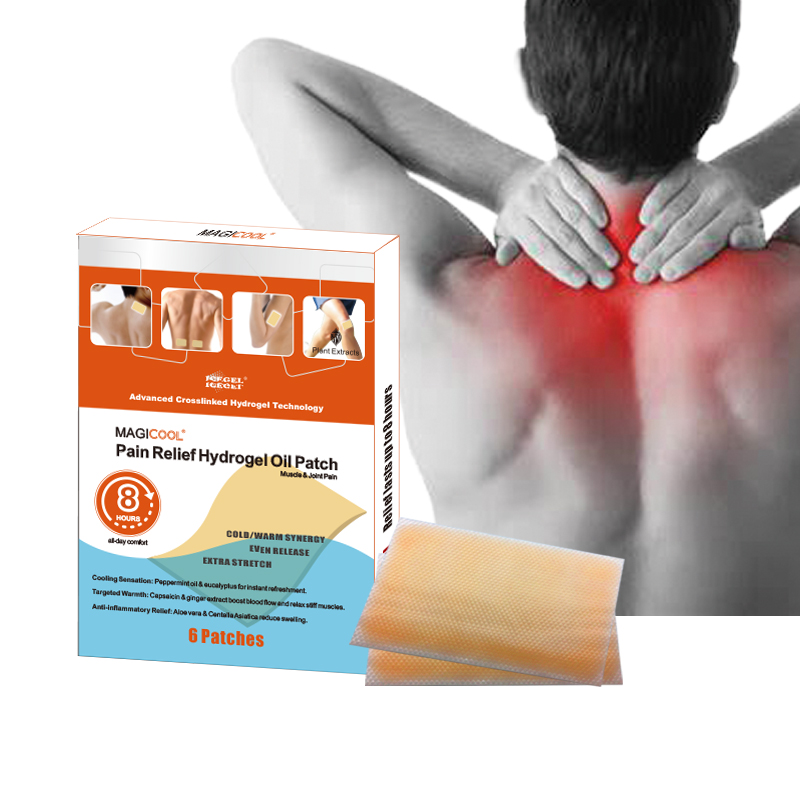
Understanding Cultural Differences in Heat Care
In office-centric markets such as the U.S. and Europe, heat therapy patches are often perceived as everyday wellness tools. Consumers value gentle, sustained warmth that provides comfort after long periods of sitting or minor muscle strain.
In certain Asian or emerging markets, heat therapy is more closely associated with effectiveness and intensity. Consumers may prefer a stronger warming sensation and view the patch as a functional treatment for muscle fatigue after labor or sports.
This does not require entirely different products; rather, it calls for flexible designs that can accommodate different levels of heat perception across markets.
Structural Stability Supports International Shipping
For overseas brands, reliable supply across borders is crucial. Heat therapy patches with unstable structure can deform, lose adhesion, or alter heat output during shipping and storage, negatively affecting end-user experience.
Patches made with mature hydrogel or composite structures maintain consistent shape and performance under varied temperature and humidity conditions. This reliability reduces logistics risk and minimizes after-sales complaints—key factors for international business.
Standardized OEM Production for Multi-Market Efficiency
When managing multiple international markets, brands cannot afford to develop entirely separate products for each country. Heat therapy patches benefit from standardized production processes, allowing OEM factories to produce large volumes while maintaining consistent quality.
Standardization enables brands to:
-
Launch products simultaneously across regions
-
Adjust packaging or presentation for local markets without altering core structure
-
Reduce operational costs while maintaining consistent user experience
Compliance and Quality Systems Are Essential
Different countries enforce varying regulatory requirements for skin-contact products. OEM factories with robust quality management systems provide transparency in raw material selection, production records, and quality control.
This ensures smooth market entry and supports subsequent expansion into new regions, making international deployment less risky and more predictable.
Why Heat Therapy Patches Are Ideal for Cross-Border Markets
Key advantages for international deployment include:
-
Universally common demand for muscle relief
-
Mature, stable patch structures
-
Intuitive, easy-to-use application requiring minimal consumer education
These factors make heat therapy patches suitable as foundation SKUs for brands seeking multi-market presence.
Conclusion
The success of heat therapy pain relief patches in global markets depends not only on local performance but on overall adaptability and supply stability. Choosing products with mature structures and reliable OEM production ensures brands can maintain consistent quality, reduce operational risk, and achieve sustainable cross-border sales.