 Biours Biosciences Co.(比尔斯生物科学公司), 有限公司.


In the context of a continuously segmenting global body care market, leg care has gradually shifted from being an “overlooked need” to a high-frequency, essential care scenario. With lifestyle changes such as prolonged sitting, standing for long periods, or post-exercise recovery, leg discomfort has become a common concern across various demographics. In this trend, 需求的增长 腿部缓解贴—a convenient, 温和, and easy-to-use care product—is increasingly incorporated into brands’ body care product portfolios.
Compared to traditional topical products, leg relief patches provide a stable and uniform soothing experience through prolonged adhesion. Users do not need to repeatedly apply creams or perform massages; care can be administered during work, 休息时, or even sleep. This low-interference, high-comfort feature makes it easier to integrate into daily routines.
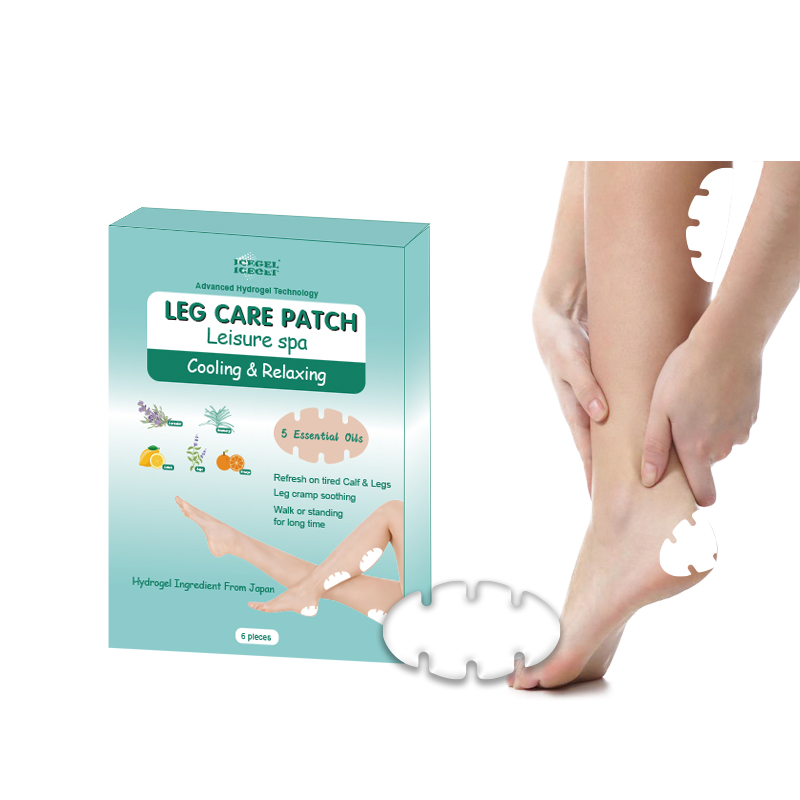
Continuous Demand Across Usage Scenarios
Leg discomfort is not confined to a single demographic. Office workers sitting for long hours, service industry staff who stand for extended periods, 运动员, and middle-aged or elderly groups may all experience leg fatigue at different stages. This cross-demographic, multi-scenario characteristic gives leg relief patches inherent potential for high repeat purchases
对于品牌而言, this type of product does not require exaggerated functional claims but emphasizes consistent care and comfort experience. This positioning reduces the usage barrier for consumers and helps establish a long-term care habit.
Product Structure Impacts Both Experience and Manufacturing
In the development of leg relief patches, product structure design is critical. Appropriate patch size, 灵活性, and adhesion directly affect user experience. At the same time, these structural elements determine whether the product is suitable for large-scale manufacturing.
Mature leg relief patches typically use hydrogel or composite patch carriers, ensuring both soft adhesion and structural stability. This design not only enhances comfort during use but also minimizes deformation or damage during production and transportation.
Commercial Feasibility from an OEM Perspective
From an OEM development standpoint, leg relief patches are considered structurally mature and low-risk patch products. Their production processes are clear, and manufacturing paths are relatively stable, making them ideal for brands’ mid- to long-term planning rather than short-term experimental launches.
For international or cross-border brands, stable supply capacity and batch consistency are particularly important. A structurally mature leg relief patch allows for standardized production and continuous delivery, reducing market risk caused by quality fluctuations.
The Value of a Professional Hydrogel Factory
The true quality of a leg relief patch is determined not just by the concept but by the manufacturer’s expertise. Especially for hydrogel-based products, water content, 黏附性能, and stability during use heavily rely on a factory’s experience in formulation and process control.
An OEM factory with years of hydrogel R&D and production experience can deliver consistent products while ensuring comfort. This not only helps brands quickly enter the market but also lays a solid foundation for future product upgrades and line expansion.
结论
整体而言, leg relief patches are a body care product category that balances market demand and manufacturing feasibility. Its wide applicability, stable user experience, and mature OEM development pathway make it an essential component for brands aiming to build a long-term body care product line.