 Biours Biosciences Co.(比尔斯生物科学公司), 有限公司.


In the body care patch market, 腿部缓解贴 may appear to be a mature and common category. 然而, in actual OEM production, their structural design and quality control directly determine whether the product can maintain long-term market viability. For brands focused on export and private label production, the question is not whether leg relief patches can be produced, but whether they can be produced consistently and reliably over time.
Unlike small-area patches for eyes or other localized regions, the leg area experiences greater movement and skin tension variations, which places higher demands on patch design. If the patch structure is not properly engineered, issues such as edge lifting, slippage, or poor adhesion can easily occur during use, negatively affecting the consumer’s perception of product quality.
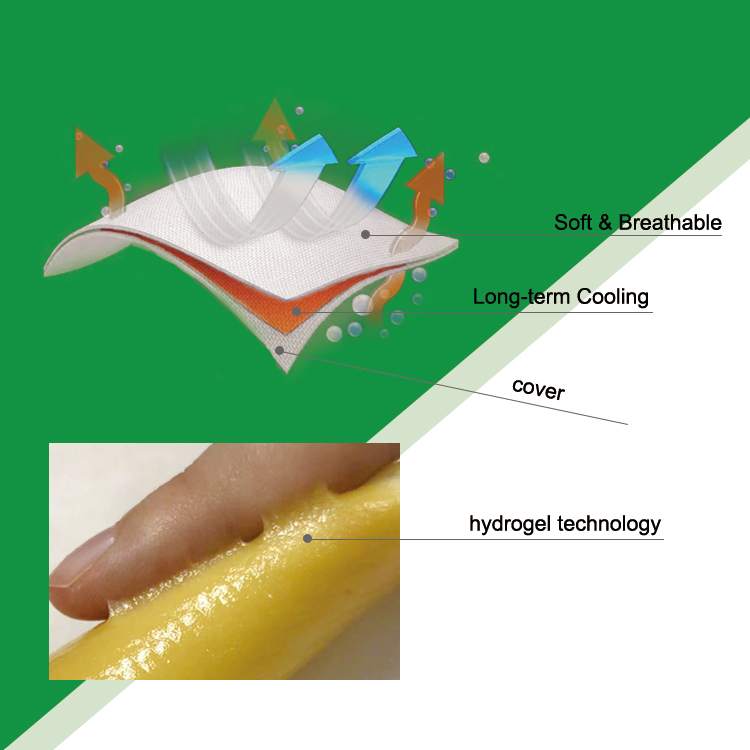
Structural Challenges for Leg Patches
From an anatomical perspective, leg skin frequently stretches and contracts during daily activities. This means the patch must possess good elasticity and recovery. If the material is too stiff, it can feel uncomfortable; if too soft, it may lose support during use.
因此, mature leg relief patches carefully balance patch thickness, water content, and substrate elasticity. Particularly when using hydrogel or composite hydrogel carriers, it is essential to maintain soft touch and comfort during application while ensuring structural stability over long periods of wear.
Achieving this structural balance cannot be done with a single trial. OEM factories must optimize parameters through repeated production iterations to create a stable and reliable product solution.
Importance of Structural Stability for Mass Production
从原始设备制造商的角度来看, structurally stable leg relief patches are easier to produce at scale. Stability ensures that during processes like cutting, lamination, 和包装, the product does not deform, tear, or fail to adhere properly.
For brand clients, batch consistency is the foundation of market trust. If the same product varies noticeably between batches, it increases after-sales pressure and diminishes consumer confidence in the brand. Mature leg relief patches can maintain consistent appearance and user experience in large-scale production, ensuring reliable sales performance.
Impact of OEM Factory Experience
Although leg relief patches are not high-concept products, their production requires significant factory expertise. For hydrogel-based systems, controlling water content, 黏附性能, and final product stability directly affects quality.
具备 long-term hydrogel R&D and production experience can enhance stability during transportation and storage without compromising user comfort. This capability is especially valuable for cross-border clients and export-oriented brands.
Long-Term Value for Brand Cooperation
From a brand management perspective, choosing leg relief patches with mature structure and stable production supports long-term supply relationships. Products do not require frequent structural adjustments or mold changes, reducing development costs and shortening time-to-market for new products.
Such products are ideal as core SKUs in a body care line, 在提供稳定销售的同时,为未来升级和产品系列扩展奠定基础.
结论
整体而言, 腿部缓解贴在OEM生产中不仅仅是简单的贴片产品. 其 结构设计和质量稳定性 直接影响品牌实现 可持续的, 长期市场存在能力. 选择具备 成熟水凝胶技术和可靠生产能力 的OEM工厂,对于确保产品成功上市和持续运营至关重要.