 Biours Biosciences Co., Ltd.


À primeira vista, muitos patches de alívio da dor com terapia de calor look almost identical: similar size, comparable packaging, and overlapping functional claims. No entanto, consumer experiences can vary dramatically. Some patches adhere comfortably and provide stable heat, while others shift, peel, or deliver uneven warmth.
These differences are not accidental—they stem from product structure and technical design. For brands and project managers evaluating OEM partners, understanding these technical differences is critical to selecting products suitable for long-term market success.
Consistent Heat Is More Important Than Intensity
Professional patch design does not aim for immediate high heat; it emphasizes gradual, sustained warmth. Excessive initial heat can cause discomfort, discouraging repeat use.
Os adesivos de terapia de calor bem concebidos utilizam sistemas de aquecimento controlados para libertar calor ao longo do tempo, Criar um confortáveis, experiência térmica estável. Esta consistência é fundamental para a aceitação pelo consumidor e encoraja compras repetidas.
A adesão e o ajuste determinam a experiência de utilização
Como produto em contacto com a pele, a adesão do adesivo é um fator importante. Adesivos mal concebidos podem descolarem-se ou deslocarem-se, reduzindo a eficiência do calor e causando uma sensação perceptível de corpo estranho.
As considerações de design técnico incluem:
-
Elasticidade do material de base
-
Espessura e flexibilidade do adesivo
-
Padrões de adesão da superfície
Um design de alta qualidade garante que o adesivo mantenha contacto íntimo com a pele, mesmo durante o movimento, aumentando o conforto geral.
A estrutura de hidrogel melhora o conforto e a estabilidade
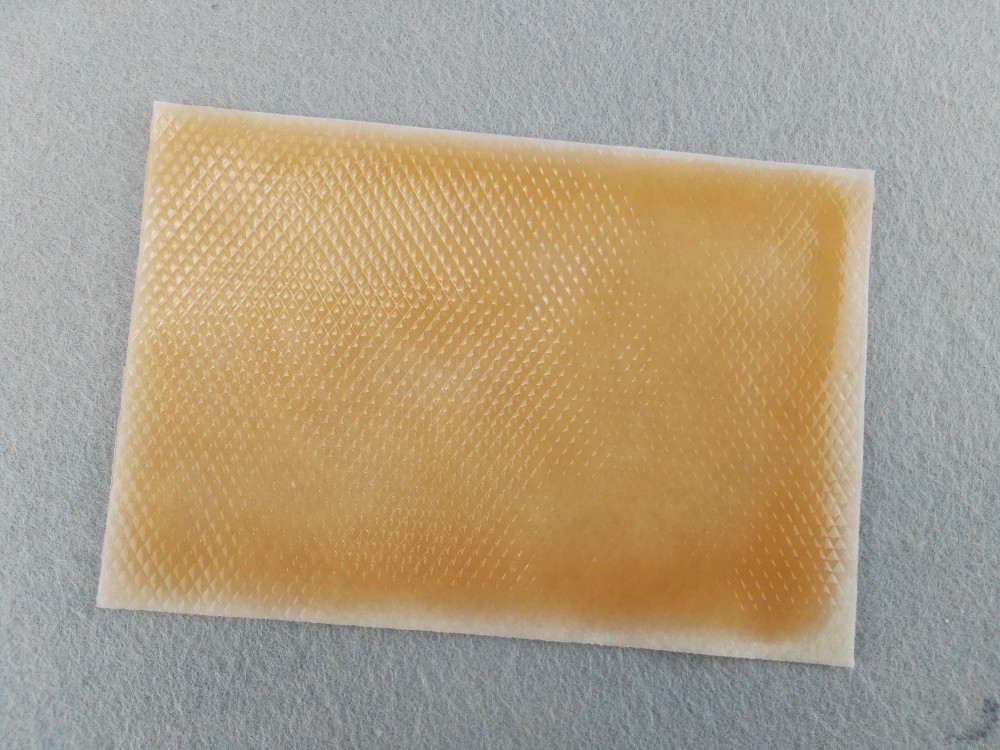
Muitos adesivos de terapia de calor incorporam portadores de hidrogel ou hidrogel composto. O hidrogel desempenha um papel crítico no amortecimento, condução do calor, e experiência táctil geral.
A stable hydrogel formulation maintains softness and shape throughout wear, even under thermal stress. This is why visually identical patches can deliver entirely different user experiences.
Heat Distribution Relies on Structural Design
Uneven heat is another common problem. If the internal structure is poorly engineered, some areas may become too hot while others remain cool, diminishing therapeutic effect.
Professional designs integrate heating elements and hydrogel layers to achieve uniform warmth across the applied area. Achieving this requires rigorous R&D and production validation.
Production Stability Determines Scalability
Para as marcas, a patch performing well in small batches does not guarantee success. Truly market-ready heat therapy patches maintain consistent performance across large-scale production.
A mature structure ensures:
-
Batch-to-batch consistency
-
Reduced customer complaints
-
Predictable shelf life
This reliability is especially crucial for overseas brands managing multiple markets.
Conclusão
The professionalism of heat therapy pain relief patches lies not in surface claims but in hidden structural and technical details. Understanding these differences helps brands evaluate whether a product is suitable for long-term, repeatable sales, and indirectly reflects the technical competence of OEM partners.