 Biours Biosciences Co.(バイオアーズ・バイオサイエンス), 株式 会社.


Product Technology & Quality Perspective
In the global market, Lumbar Patches often appear similar at first glance. 大きさ, shape, and basic function may seem interchangeable, yet user experience and long-term performance vary significantly between products. These differences rarely come from surface design—they originate from internal structure, material selection, and production control.
For brands and professional buyers, understanding what defines a truly professional Lumbar Patch is essential when selecting products that can support long-term market growth rather than short-term sales.
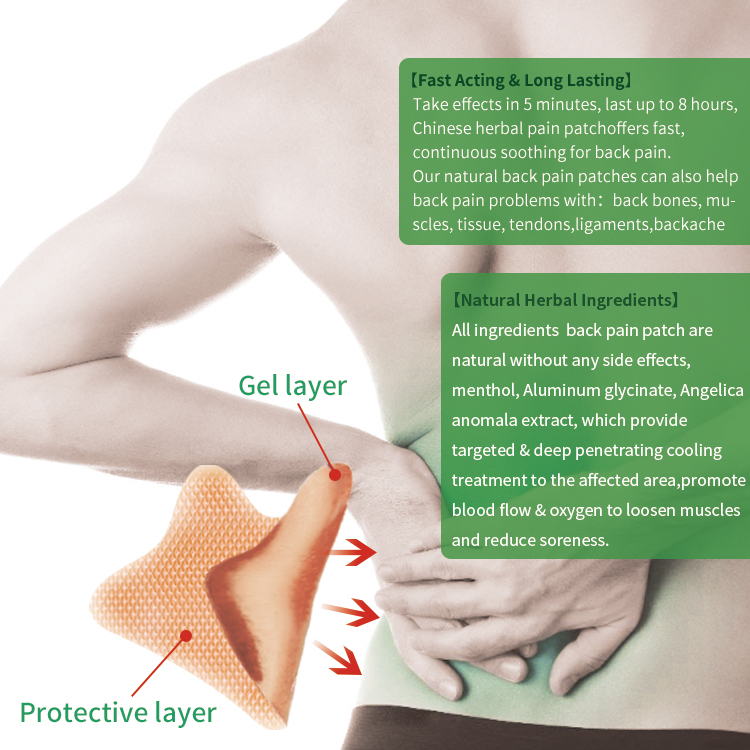
The Lumbar Area: A High-Demand Application Zone
Unlike smaller or relatively static body areas, the lower back is constantly involved in movement. Bending, twisting, stretching, and posture shifts place ongoing mechanical stress on any applied patch.
This means a Lumbar Patch must meet higher performance requirements than many other body care patches:
-
It must remain securely attached during movement
-
It must adapt to skin stretching without discomfort
-
It must maintain consistent contact over extended wear time
Failure in any of these areas quickly results in negative consumer feedback and reduced repeat purchase rates.
Why Hydrogel Structure Matters
Hydrogel-based structures are widely favored for Lumbar Patches due to their skin-friendly properties and adaptability. However, not all hydrogel systems perform equally.
A well-designed hydrogel structure provides:
-
Balanced elasticity to follow body movement
-
Sufficient cohesion to prevent tearing or deformation
-
Comfortable skin contact without excessive stickiness
If the gel is too rigid, users experience restriction and discomfort. If it is too soft, the patch may slide, wrinkle, or lose shape during use.
Achieving this balance requires precise formulation control and extensive production testing—factors that directly separate mature OEM manufacturers from inexperienced suppliers.
Thickness, Water Content, and Wear Comfort
Patch thickness plays a critical role in both performance and perception. Overly thick patches can feel bulky under clothing, while ultra-thin designs may lack durability or support.
Professional Lumbar Patches are engineered to achieve:
-
A thickness that ensures structural integrity
-
Adequate water content for comfort and skin affinity
-
Long-lasting performance throughout the intended wear period
These parameters must remain stable across mass production batches. Even minor variations can lead to noticeable differences in consumer experience.
Release Stability and User Experience Consistency
Whether a Lumbar Patch delivers cooling, warming, or neutral comfort, release stability is a key quality indicator.
Inconsistent release behavior may cause:
-
Uneven sensation during wear
-
Shortened effective duration
-
Consumer dissatisfaction across different batches
From a brand perspective, consistent experience is essential for building trust. From an OEM perspective, it reflects production discipline and technical maturity.
Why “Similar Looking” Patches Perform Differently
Many procurement teams encounter this challenge: two Lumbar Patches look nearly identical, yet market feedback differs dramatically.
理由は消費者には見えないが、専門家にとって重要な要素にあります:
-
ハイドロゲルの架橋制御
-
接着性と柔軟性のバランス
-
動作時の構造的回復力
これらの要素は長期の生産経験によって洗練されます, 単一サンプルの開発ではありません.
技術的安定性におけるOEMの利点
プライベートラベルブランド向けに, これらの構造的な微妙な点を理解しているOEMパートナーと協力することで、開発リスクを大幅に低減できます.
技術的に成熟した製造者は:
-
大量生産でも一貫した性能を維持できます
-
構造の再設計なしに製品の最適化をサポートできます
-
需要が増加した際のスケーラビリティを確保できます
ブランドが新市場に進出したり、注文頻度を増やす際に、この技術的信頼性は特に価値があります.
結論
プロフェッショナルなランバーパッチは外見では定義されません, but by how well it performs under real-life movement, extended wear, and mass production conditions. 構造, materials, and stability determine whether a product can support long-term brand success.
For brands and OEM buyers, understanding these technical fundamentals is key to selecting products—and partners—that deliver sustainable results.