 Biours Biosciences Co., Ltée.


Sur le marché des patchs de soin du corps, les patchs de soulagement des jambes may appear to be a mature and common category. Cependant, in actual OEM production, their structural design and quality control directly determine whether the product can maintain long-term market viability. For brands focused on export and private label production, the question is not whether leg relief patches can be produced, but whether they can be produced consistently and reliably over time.
Unlike small-area patches for eyes or other localized regions, the leg area experiences greater movement and skin tension variations, which places higher demands on patch design. If the patch structure is not properly engineered, issues such as edge lifting, slippage, or poor adhesion can easily occur during use, negatively affecting the consumer’s perception of product quality.
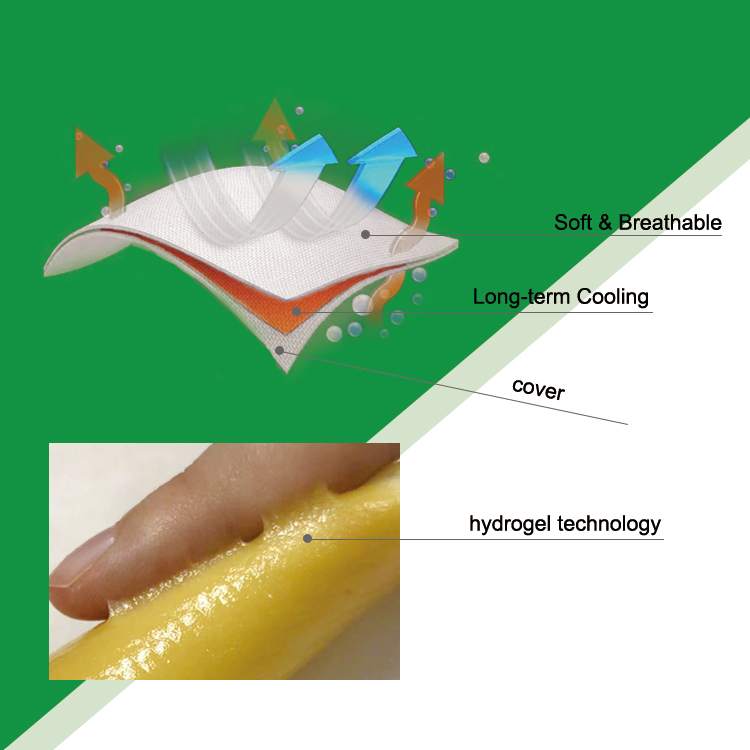
Structural Challenges for Leg Patches
From an anatomical perspective, leg skin frequently stretches and contracts during daily activities. This means the patch must possess good elasticity and recovery. If the material is too stiff, it can feel uncomfortable; if too soft, it may lose support during use.
Ainsi, mature leg relief patches carefully balance patch thickness, water content, and substrate elasticity. Particularly when using hydrogel or composite hydrogel carriers, it is essential to maintain soft touch and comfort during application while ensuring structural stability over long periods of wear.
Achieving this structural balance cannot be done with a single trial. OEM factories must optimiser les paramètres grâce à des itérations de production répétées pour créer une solution produit stable et fiable.
Importance de la stabilité structurelle pour la production de masse
Du point de vue d'un OEM, les patchs de soulagement des jambes structurellement stables sont plus faciles à produire à grande échelle. La stabilité garantit que lors de processus tels que la découpe, le laminage, et l'emballage, le produit ne se déforme pas, ne se déchire pas, et n'échoue pas à adhérer correctement.
Pour les clients de marque, la cohérence des lots est la base de la confiance sur le marché. Si le même produit varie sensiblement d'un lot à l'autre, cela augmente la pression après-vente et diminue la confiance des consommateurs dans la marque. Les patchs de soulagement des jambes matures peuvent maintenir une apparence et une expérience utilisateur cohérentes en production à grande échelle, assurant des performances de vente fiables.
Impact de l'expérience de l'usine OEM
Bien que les patchs de soulagement des jambes ne soient pas des produits à concept élevé, their production requires significant factory expertise. For hydrogel-based systems, controlling water content, adhesion performance, and final product stability directly affects quality.
Les usines OEM avec long-term hydrogel R&D and production experience can enhance stability during transportation and storage without compromising user comfort. This capability is especially valuable for cross-border clients and export-oriented brands.
Long-Term Value for Brand Cooperation
From a brand management perspective, choosing leg relief patches with mature structure and stable production supports long-term supply relationships. Products do not require frequent structural adjustments or mold changes, reducing development costs and shortening time-to-market for new products.
Such products are ideal as core SKUs in a body care line, providing stable sales while laying the groundwork for future upgrades and product series expansion.
Conclusion
Dans l'ensemble, leg relief patches in OEM production are more than simple patch products. Their structural design and quality stability directly influence a brand’s ability to achieve sustainable, long-term market presence. Selecting an OEM factory with mature hydrogel expertise and reliable production capacity is crucial for ensuring successful product launch and ongoing operations.