 Biours Biosciences Co., Ltd.


Traditional mascarillas faciales have a few shortcomings:
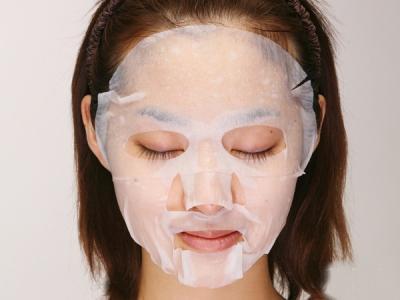
- Moisture Retention: They generally have lower moisture retention capabilities compared to cross-linked hydrogel mask patches. The fabric or paper material may not hold as much essence and can dry out more quickly.
- Adhesion and Fit: Traditional masks may not adhere as closely to the facial contours. This can lead to less effective delivery of nutrients and a less comfortable fit, which may also cause the mask to shift or slip during use.
- Nutrient Absorption: The materials used in traditional masks might not be as effective in transferring the beneficial ingredients to the skin. The absorption rate may be slower, and the depth of penetration might not be as significant.
- Sensitivities and Irritations: Algunas mascarillas tradicionales, dependiendo de sus ingredientes y del material del que están hechas, pueden causar irritación o reacciones alérgicas, especialmente en personas con piel sensible.
- Limpieza después de su uso: Después de usar una mascarilla tradicional, podría ser necesario enjuagar cualquier resto de esencia para evitar una sensación pegajosa o grasa en la piel.
- Amigable con el medio ambiente: Algunas mascarillas tradicionales no son tan respetuosas con el medio ambiente debido a los materiales utilizados, los cuales podrían no ser biodegradables o sostenibles.
En contraste, los parches de mascarilla de hidrogel entrecruzado están diseñados para abordar estos problemas, ofreciendo mejor adherencia, humedad de mayor duración, y una mejor entrega de los ingredientes activos.